
Verified Buyer
Good Dietary Supplement
Phytonutrients, also known as secondary plant compounds, are bioactive natural substances produced by plants. They do not primarily serve as a source of energy for the plant’s metabolism, but they have other important properties and are therefore referred to as “secondary.” The functions of phytonutrients primarily include giving the plant its color, warding off natural predators, and providing protection against UV rays. There are approximately 60,000 to 100,000 different compounds, 5,000 to 10,000 of which are found in the human diet.
Those interested in a balanced and healthy diet typically consume plenty of fresh fruits, vegetables, and herbs—and thus also a wide variety of secondary plant compounds. Alternatively, these are also available in concentrated form as food supplements. Plants that are very popular due to their phytonutrients include, for example, turmeric (curcumin), dandelion, thyme, broccoli, garlic, and grape seeds (OPC). It is also common to combine various plant extracts in a beneficial way, such as those that contain a high proportion of bitter compounds.
People perceive phytochemicals whenever they provide a specific color, scent, or flavor. However, phytonutrients are not classified into groups based on these criteria, but rather according to their chemical structure and functional properties.
The best-known groups are:
The importance of the various groups for plants and their occurrence in food is summarized in the following overview, based in part on information from the German Nutrition Society (DGE).
| Chemical Group | Significance for Plants |
|---|---|
|
Flavonoids |
Dyes (red, light yellow, blue, violet) and protection against UV radiation |
|
Phenolic acids |
Defenses against predators |
|
Phytoestrogens |
Plant hormones with a structure similar to that of the female sex hormone estrogen and mechanical stability |
|
Carotenoids |
Dyes (yellow, orange, red) and protection against UV radiation |
|
Monoterpenes |
Fragrances and Flavorings |
|
Phytosterols |
Membrane proteins and plant hormones with a structure similar to that of cholesterol |
|
Saponins |
Bitter compounds |
|
Glucosinolates |
Defenses against predators or pathogens |
|
Sulfides (Alliines) |
Fragrances and Flavorings |
The main sources of phytochemicals in our diet are fruits and vegetables, legumes, spices, whole grains, seeds, and olives. According to the German Nutrition Society(DGE), people consume an estimated 1.5 g of phytochemicals per day as part of a varied diet. But which foods are particularly rich in these various phytonutrients?
In addition to these foods, which easily fit into a healthy diet, there are other highly beneficial herbs and plants that are often used in dried form or as extracts. These include, for example:
Dandelion, gentian, milk thistle, stinging nettle, wild garlic, nasturtium, horseradish root, turmeric, ginger, wheatgrass, Rhodiola rosea, Ginkgo biloba leaves, moringa leaves, olive leaves, wormwood, cloves, juniper, algae (or chlorella).
| Phytonutrient Group | Occurrence in Food |
|---|---|
|
Flavonoids |
Apples, pears, grapes, cherries, plums, berries, lemons, oranges, grapefruit, bell peppers, endives, red cabbage, onions, kale, eggplant, black pepper, and green tea |
|
Phenolic acids |
Coffee, tea, whole-grain products, wine, nuts, melon, citrus fruits, green vegetables, carrots, tomatoes, cabbage, squash, parsley |
|
Phytoestrogens |
Soybeans, chickpeas, kidney beans, oat and rye bran, flaxseeds, sesame seeds, sweet potatoes, nuts, sunflower seeds, berries, asparagus, zucchini |
|
Carotenoids |
Carrots, tomatoes, bell peppers, green vegetables, grapefruit, apricots, peaches, nectarines, melons, pumpkin, guava |
|
Monoterpenes |
Oranges, grapes, apricots, spices |
|
Phytosterols |
Nuts, plant seeds (e.g., sunflower seeds, sesame seeds, soybeans), legumes, broccoli, Brussels sprouts, fruit |
|
Saponins |
Legumes, soy, asparagus, oats, licorice |
|
Glucosinolates |
All types of cabbage, daikon radish, radishes, watercress, mustard greens, broccoli |
|
Sulfides (Alliines) |
Onions, leeks, garlic, chives, asparagus |
With a mixed diet, people consume about 1.5 grams of phytochemicals per day. For vegetarians, the intake is generally significantly higher. The German Nutrition Society (DGE) recommends the following intake for adults:
| Phytonutrient Group | recommended daily intake |
|---|---|
|
Flavonoids |
50–100 mg/day |
|
Phenolic acids |
200–300 mg/day |
|
Phytoestrogens |
Adults = approx. 5 mg/day; Children and adolescents = 1.1–4.7 mg/day |
|
Carotenoids |
5–6 mg/day |
|
Monoterpenes |
about 2 mg/day |
|
Saponins |
about 15 mg/day |
|
Glucosinolates |
15 mg/day |
|
Phytosterols |
100–400 mg/day |
The bioavailability of phytochemicals varies widely and is affected by processing. These factors include, for example, exposure to heat, particle size reduction, and the presence or absence of certain nutrients. A higher fat content and the presence of additional phytochemicals, for example, can have a positive effect on bioavailability.
The table provided by the German Nutrition Society(DGE) shows whether the bioavailability of the various subgroups of phytochemicals in heated foods is low, moderate, or high.
| high (> 15%) | moderate (3–15%) | low (< 3%) |
|---|---|---|
|
Carotenoids |
Phenolic acids |
Saponins |
|
Glucosinolates |
Anthocyanins, Flavones | |
|
Flavonoids (excluding anthocyanins and flavones) |
Phytostanols (0.02–0.3%) | |
|
Phytoestrogens |
Phytosterols (0.4–3.5%) | |
|
Monoterpenes | ||
|
Sulfides |
Phytonutrients—also known as secondary plant compounds—are valuable compounds found in fruits, vegetables, herbs, and nuts. Unlike vitamins and minerals, they are not considered essential, but they contribute to health in many ways: They have antioxidant properties, support the immune system, and promote vitality and well-being.
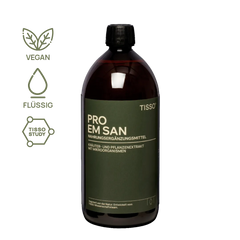
Many TISSO products contain valuable phytochemicals:
Phytonutrients are found exclusively in plant-based foods. Fresh fruits and vegetables, herbs, legumes, nuts, and whole-grain products are particularly rich in them. A colorful, varied diet ensures that you consume a wide variety of phytochemicals.