


Nausea, vomiting, diarrhea, stomach cramps—a gastrointestinal infection can really take a toll on us and throw our well-being out of balance. But that’s not all: Our gut flora can also suffer from a gastrointestinal infection. That’s because the delicate system of beneficial bacteria is quickly affected by symptoms such as diarrhea or vomiting.
A healthy gut flora—also known as the gut microbiome or intestinal microbiome—is not only important for our digestion. It is also directly linked to our overall physical and mental health. That’s why it’s all the more important to undergo a comprehensive gut restoration after a gastrointestinal infection.
In this post, you'll learn exactly how a gastrointestinal infection affects your gut flora. We'll also share which foods and nutrients can help you restore your gut health after diarrhea and other issues— for an all-around healthy and happy gut.
Causes and Symptoms of a Gastrointestinal Infection

But let’s start with the basics: What actually causes a gastrointestinal infection? And how can I tell if I have one? A gastrointestinal infection—also known as gastroenteritis or, colloquially, the stomach flu—is an inflammation of the stomach and intestinal lining (gastroenteritis). This is usually caused by an infection with certain bacteria (e.g., Salmonella, Campylobacter), viruses (e.g., noroviruses or rotaviruses), or, less commonly, other parasites (e.g., roundworms).
You'll know you have a gastrointestinal infection mainly by the following symptoms:
- Nausea and Vomiting
- Diarrhea
- Abdominal pain and cramps
- Feeling full and loss of appetite
- mild fever and dizziness
- Fatigue and weakness
- Muscle, Joint, and Headaches
Effects of a Gastrointestinal Infection on the Gut Microbiome

A gastrointestinal infection puts a heavy strain on the entire body—especially on our gut flora. This is because during such an infection, the balance between “good” and “bad” bacteria on our intestinal lining can become disrupted. As a result, harmful bacteria and other pathogens can come to dominate the gut flora, while the number of beneficial bacteria decreases.
In addition, the inflammatory response that occurs during an infection can also disrupt the intestinal mucosa, impairing its barrier function. This is problematic because only a healthy intestinal mucosa is capable of harboring the “good” gut bacteria and absorbing nutrients from food. That’s why we strongly recommend that you thoroughly rebuild your microbiome after a gastrointestinal infection.
The Right Diet for Restoring Gut Health After a Gastrointestinal Infection
So, which foods are best for helping your gut recover after an infection? The table below lists foods that are suitable—and those that are less suitable— for rebuilding your gut flora after diarrhea and other illnesses:
| Foods That Help Rebuild the Gut | Foods That Are Less Suitable for Promoting Gut Health |
|---|---|
| probiotic foods (kefir, sauerkraut, kimchi, miso, kombucha—as long as they haven't been heated) | highly processed foods (ready-to-eat meals, fast food, foods with artificial additives) |
| high-fiber foods (oatmeal, whole-grain products, chia seeds, and flaxseeds) | foods high in sugar (candy, cake, sweet pastries, sugary drinks) |
| cooked and peeled fruits and vegetables (bananas, apples, berries, zucchini, carrots, pumpkin) | foods that cause gas (cabbage, legumes, beans, onions, garlic) |
| easily digestible carbohydrates (white rice, potatoes) | foods that are hard to digest (fried or greasy foods, hot spices, raw meat or fish) |
| Lean protein (boiled chicken or turkey, steamed fish) | Alcohol, caffeine, and carbonated beverages |
| enough fluids (water, mild, unsweetened herbal tea, low-fat broth) |
Restoring Gut Flora After Diarrhea: Suitable Dietary Supplements

In addition to eating a healthy diet, you can also take high-quality dietary supplements to help rebuild your gut microbiome after a gastrointestinal infection. The following nutrients are particularly important:
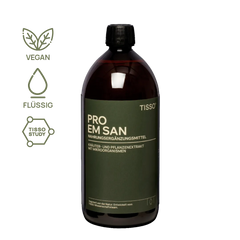
- Probiotics are live microorganisms that colonize your intestinal lining and thus help build up your gut flora. Pro EM san offers you a premium combination of 31 probiotic bacterial cultures, along with 24 valuable fermented herbal and plant extracts.
- Prebiotics are soluble dietary fibers that serve as "food" for beneficial gut bacteria, thereby helping them to multiply. Pro Präbioma contains four types of soluble, highly digestible dietary fibers, plus calcium and zinc, to support optimal digestion.
- Nutrients that help rebuild the intestinal mucosa are important, because the intestinal mucosa often suffers from the effects of a gastrointestinal infection. Furthermore, only a healthy intestinal mucosa can harbor beneficial gut bacteria and absorb nutrients from food. Nutrients that support the mucosa include, for example, L-glutamine, lecithin, B vitamins, and polyphenols such as quercetin, all of which are optimally combined in Pro Mucosa.
Our probiotic gut health regimen combines these three products—giving you everything you need to restore your gut flora and intestinal lining after a gastrointestinal infection.
Pro EM san, Pro Präbioma, and Pro Mucosa in one treatment regimen—everything you need to rebuild your gut flora.
About the Probiotic Gut CleanseSources
- Stephan C. Bischoff: Probiotics, Prebiotics, and Synbiotics. Published June 17, 2009.
- Infektionsschutz.de: Gastrointestinal infection. Retrieved on August 2, 2024.
- Allen SJ et al. "Probiotics for the treatment of acute infectious diarrhea." Cochrane Database of Systematic Reviews. 2010.


